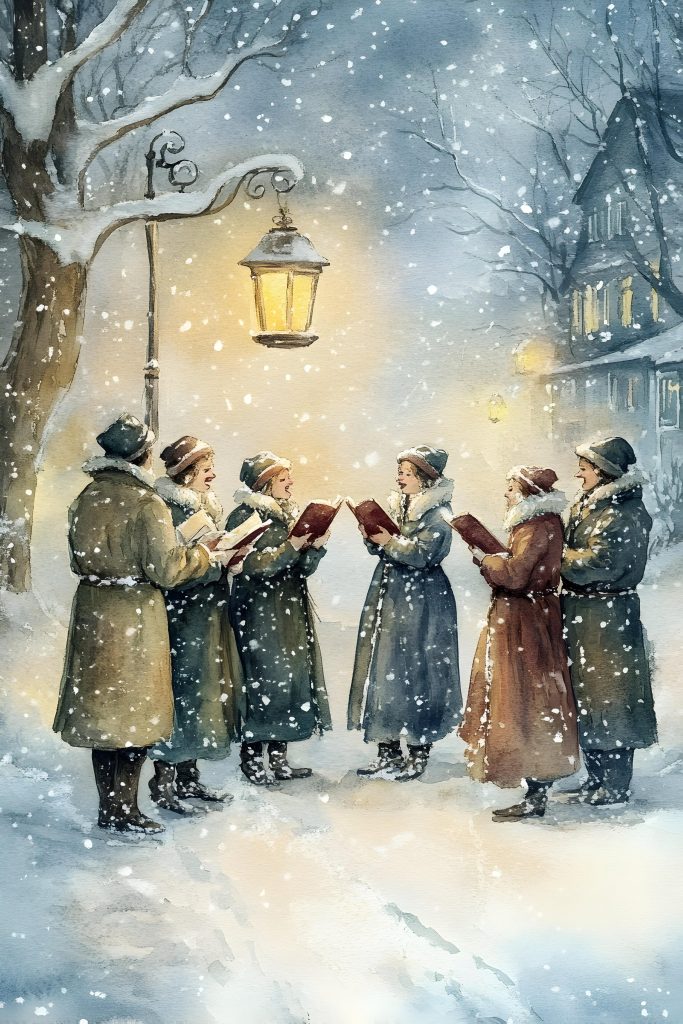
🎄 A Scottish Christmas: How Our Ancestors Celebrated the Festive Season
Christmas in Scotland has always carried its own unique blend of folklore, faith, winter magic and community spirit. While today we think of twinkling lights, mince pies and cosy gatherings, our ancestors experienced Christmas very differently — shaped by parish life, local customs, and the rhythms of winter.
Whether your family came from a Highland glen, a fishing village, or a bustling industrial town, Scottish Christmas traditions offer a beautiful window into their world.
🕯️Christmas Wasn’t Always a Holiday in Scotland
For centuries, Christmas was not a public holiday in Scotland. After the Reformation, the Kirk discouraged Christmas celebrations, viewing them as too closely tied to Catholic ritual. Many Scots simply worked as normal on the 25th of December.
It wasn’t until 1958 that Christmas Day became an official public holiday across Scotland.
But that doesn’t mean Scots didn’t celebrate. They simply did it in their own way — quietly, locally, and often within the family home.
🍞 Traditional Scottish Christmas Foods
Even when Christmas wasn’t widely celebrated, winter feasting certainly was. Your ancestors might have enjoyed:
🧈 Black Bun
A dense, spiced fruit cake wrapped in pastry — traditionally eaten at Hogmanay but often baked earlier in December.
🥣 Yule Brose
A warming dish of oatmeal and whisky poured over boiling water or broth — simple, hearty, and perfect for cold nights.
🍖 Roast Goose or Beef
In rural areas, families often saved their best meat for the darkest days of winter.
🍬 Tablet & Shortbread
Sweet treats were a luxury, but many families made shortbread as part of their winter traditions. Food was a way of marking the season even when the day itself wasn’t a holiday.
🌌 Winter Folklore & Yuletide Beliefs
Scotland’s winter folklore is rich, ancient, and deeply tied to the land.
🔥 The Yule Log
Burning a large log through the darkest nights symbolised protection and good fortune. Ashes were sometimes kept to bless the home.
👻 The Dead of Winter
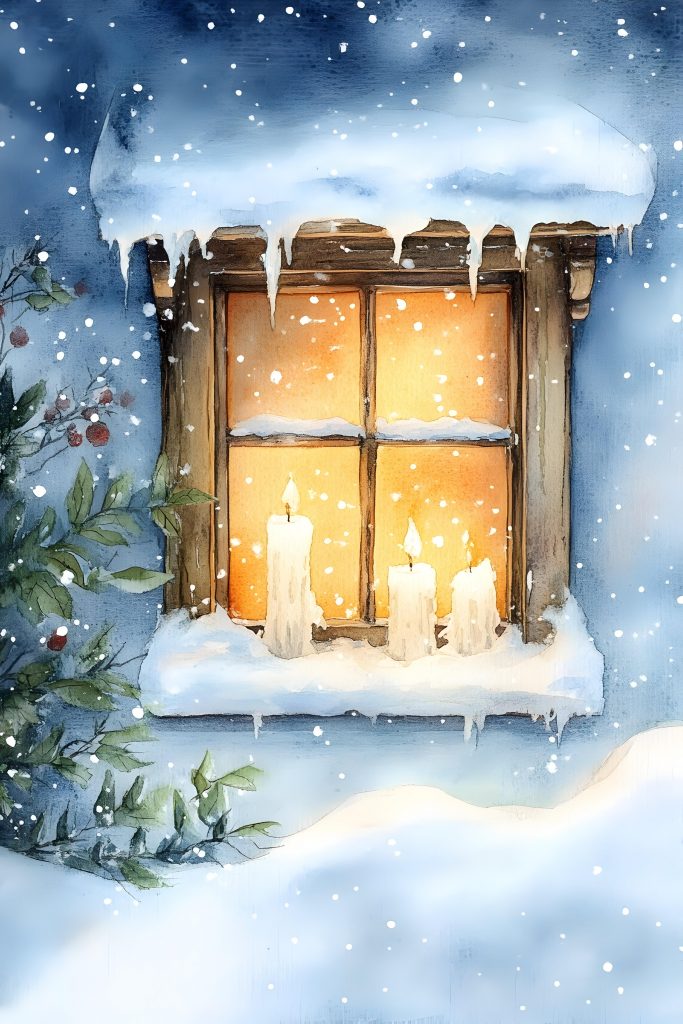
Many Scots believed the veil between worlds was thin during the long nights. Families lit candles to guide wandering spirits — a tradition echoing older Celtic beliefs.
🌬️ Weather Omens
- A clear Christmas meant a stormy New Year
- A green Christmas foretold illness
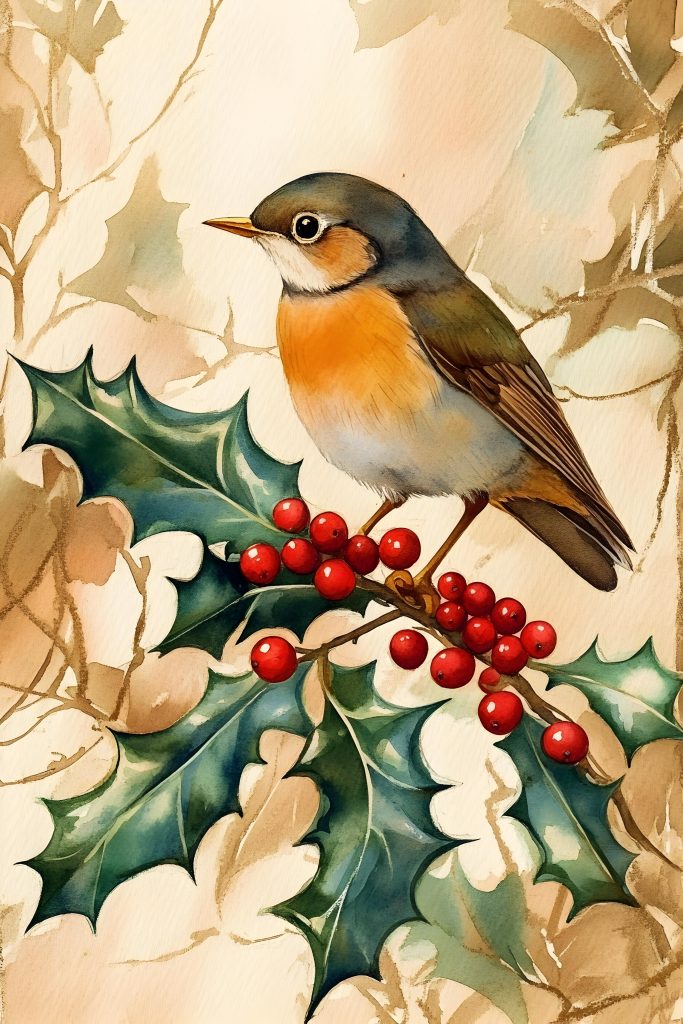
- A robin near the house was a sign of protection
These beliefs shaped how families understood the season.
🎁 Gifts, Games & Family Life
Before Victorian influence, gift‑giving was rare. Instead, families focused on:
- Storytelling by the fire
- Winter games like draughts or cards
- Visiting neighbours with small tokens
- Singing and music — especially in Gaelic‑speaking areas
Children might receive an orange, a sweet, or a small handmade toy — simple but treasured.
🏘️ Christmas in Towns vs Rural Scotland
🏞️ Rural Scotland
Life revolved around the farm, croft or fishing community. Celebrations were modest but meaningful — a good meal, a warm fire, and time with family.
🏙️ Urban Scotland
By the late 1800s, Victorian influence brought:
- decorated shop windows
- Christmas cards
- church services
- charity events
- Christmas markets
Industrial towns embraced Christmas earlier than rural areas.
🎉 Hogmanay: Scotland’s True Winter Celebration
While Christmas was quiet, Hogmanay was — and still is — Scotland’s biggest winter celebration.
Your ancestors likely took part in:
- First‑footing
- Fire festivals
- House cleaning rituals (redding the house)
- Sharing black bun and whisky
- Singing “Auld Lang Syne”
Hogmanay was the moment when communities truly came alive.
🪦 How Christmas Traditions Help Your Genealogy Research
Understanding Scottish Christmas customs can help you:
- interpret winter entries in parish records
- understand why some families didn’t mark Christmas
- identify seasonal migration patterns
- connect family stories to historical context
- enrich your storytelling with cultural detail
It’s not just about dates — it’s about atmosphere, emotion, and lived experience.
🎄 Conclusion: A Season of Light in the Darkest Days
Scottish Christmas traditions remind us that even in the darkest months, our ancestors found ways to create warmth, connection and meaning. Whether through a simple meal, a candle in the window, or a quiet moment by the fire, they carried forward a spirit of resilience and community that still shapes Scotland today.
And when you explore your own family history, these traditions help you step into their world — one winter night at a time.