Hogmanay isn’t just Scotland’s version of New Year’s Eve — it’s a celebration with centuries of history, shaped by fire, folklore, and the deep Scottish instinct to mark endings and beginnings with meaning.
For generations, Christmas in Scotland was a quiet, almost unobserved day. But Hogmanay? That was the real celebration. The night when neighbours gathered, debts were settled, houses were scrubbed, and the old year was swept out to make space for the new.
Fire, Folklore, and Fresh Starts
Many Hogmanay customs have ancient roots. Fire festivals — from the Stonehaven Fireballs to the torchlit processions in Edinburgh — symbolise protection, purification, and the turning of the year. Long before fireworks, Scots believed flame carried away misfortune and lit the path into the future.
Even today, lighting a candle or watching the bells with a dram in hand carries that same sense of renewal.
Abstract colorful firework display for celebration anniversary background
“Redding” the House
One of the most important traditions was the “redding” — a full house clean before midnight. Ashes were cleared from the hearth, debts were paid, and quarrels were settled. The idea was simple: don’t carry last year’s mess into the new one.
It’s a beautiful reminder that Hogmanay isn’t just about celebration — it’s about intention.
First-Footing
After the bells, the first person to cross your threshold — the “first-footer” — was believed to set the tone for the year ahead. Traditionally, a tall, dark-haired man was considered the luckiest visitor, often bringing symbolic gifts:
Coal for warmth
Shortbread or black bun for food
Whisky for good cheer
Scottish male, wearing a kilt and carrying whisky. ai generated
Even if you don’t follow the superstition, the spirit of it remains: Hogmanay is about hospitality, connection, and community.
Why Hogmanay Still Matters
In a world that moves fast, Hogmanay gives us a moment to pause, reflect, and reconnect with the people and traditions that shape us. Whether you’re celebrating with fireworks, a quiet dram, or a family gathering, you’re part of a long line of Scots who’ve marked this night with meaning.
Beautiful colourful firework display at night for celebrating Hogmanay
🎄 A Scottish Christmas: How Our Ancestors Celebrated the Festive Season
Christmas in Scotland has always carried its own unique blend of folklore, faith, winter magic and community spirit. While today we think of twinkling lights, mince pies and cosy gatherings, our ancestors experienced Christmas very differently — shaped by parish life, local customs, and the rhythms of winter.
Whether your family came from a Highland glen, a fishing village, or a bustling industrial town, Scottish Christmas traditions offer a beautiful window into their world.
🕯️Christmas Wasn’t Always a Holiday in Scotland
For centuries, Christmas was not a public holiday in Scotland. After the Reformation, the Kirk discouraged Christmas celebrations, viewing them as too closely tied to Catholic ritual. Many Scots simply worked as normal on the 25th of December.
It wasn’t until 1958 that Christmas Day became an official public holiday across Scotland.
But that doesn’t mean Scots didn’t celebrate. They simply did it in their own way — quietly, locally, and often within the family home.
🍞 Traditional Scottish Christmas Foods
Even when Christmas wasn’t widely celebrated, winter feasting certainly was. Your ancestors might have enjoyed:
🧈 Black Bun
A dense, spiced fruit cake wrapped in pastry — traditionally eaten at Hogmanay but often baked earlier in December.
🥣 Yule Brose
A warming dish of oatmeal and whisky poured over boiling water or broth — simple, hearty, and perfect for cold nights.
🍖 Roast Goose or Beef
In rural areas, families often saved their best meat for the darkest days of winter.
🍬 Tablet & Shortbread
Sweet treats were a luxury, but many families made shortbread as part of their winter traditions. Food was a way of marking the season even when the day itself wasn’t a holiday.
🌌 Winter Folklore & Yuletide Beliefs
Scotland’s winter folklore is rich, ancient, and deeply tied to the land.
🔥 The Yule Log
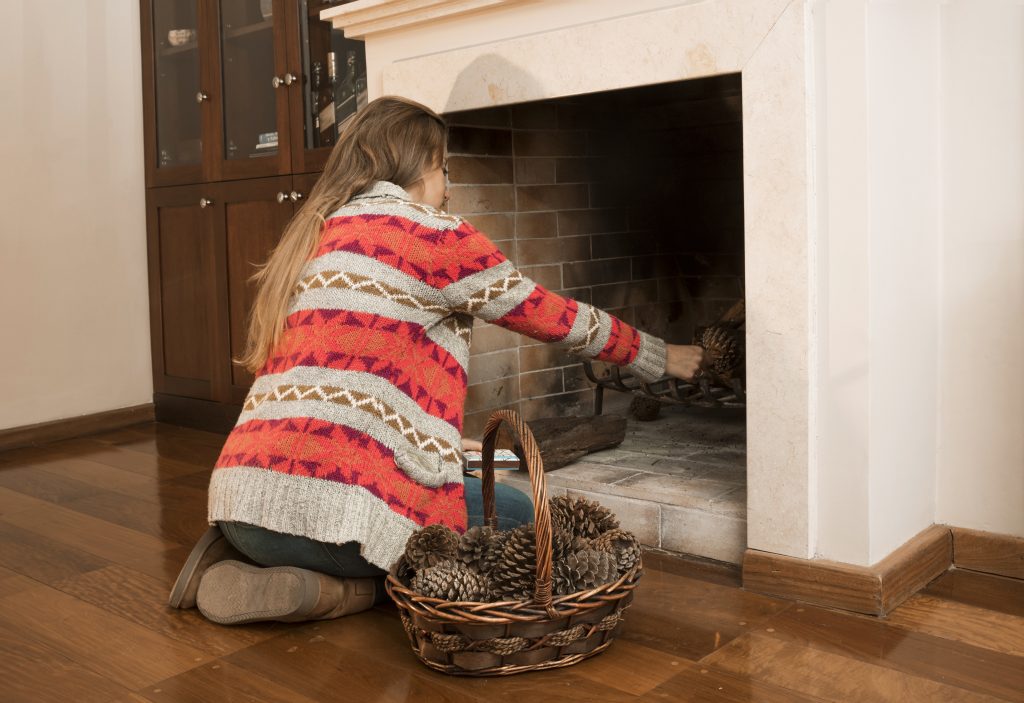
Burning a large log through the darkest nights symbolised protection and good fortune. Ashes were sometimes kept to bless the home.
👻 The Dead of Winter
Many Scots believed the veil between worlds was thin during the long nights. Families lit candles to guide wandering spirits — a tradition echoing older Celtic beliefs.
🌬️ Weather Omens
A clear Christmas meant a stormy New Year
A green Christmas foretold illness
A robin near the house was a sign of protection
These beliefs shaped how families understood the season.
🎁 Gifts, Games & Family Life
Before Victorian influence, gift‑giving was rare. Instead, families focused on:
Storytelling by the fire
Winter games like draughts or cards
Visiting neighbours with small tokens
Singing and music — especially in Gaelic‑speaking areas
Children might receive an orange, a sweet, or a small handmade toy — simple but treasured.
🏘️ Christmas in Towns vs Rural Scotland
🏞️ Rural Scotland
Life revolved around the farm, croft or fishing community. Celebrations were modest but meaningful — a good meal, a warm fire, and time with family.
🏙️ Urban Scotland
By the late 1800s, Victorian influence brought:
decorated shop windows
Christmas cards
church services
charity events
Christmas markets
Industrial towns embraced Christmas earlier than rural areas.
🎉 Hogmanay: Scotland’s True Winter Celebration
While Christmas was quiet, Hogmanay was — and still is — Scotland’s biggest winter celebration.
Your ancestors likely took part in:
First‑footing
Fire festivals
House cleaning rituals (redding the house)
Sharing black bun and whisky
Singing “Auld Lang Syne”
Hogmanay was the moment when communities truly came alive.
🪦 How Christmas Traditions Help Your Genealogy Research
Understanding Scottish Christmas customs can help you:
interpret winter entries in parish records
understand why some families didn’t mark Christmas
identify seasonal migration patterns
connect family stories to historical context
enrich your storytelling with cultural detail
It’s not just about dates — it’s about atmosphere, emotion, and lived experience.
🎄 Conclusion: A Season of Light in the Darkest Days
Scottish Christmas traditions remind us that even in the darkest months, our ancestors found ways to create warmth, connection and meaning. Whether through a simple meal, a candle in the window, or a quiet moment by the fire, they carried forward a spirit of resilience and community that still shapes Scotland today.
And when you explore your own family history, these traditions help you step into their world — one winter night at a time.
Discovering family histories and creating a family tree is certainly fulfilling, but perhaps the greatest benefit of family trees is the ability to pass them on to future generations. What a priceless gift! Believe me, your descendants will be grateful for your hard work and determination. So what’s the best way to store those records?
Storing Your Family Tree
It is ideal if you have a record of all your notes and documentation gathered during your genealogy research. This information is an asset, and should be duplicated in case of disaster, such as fire, flood, or theft. Copying and storage can be done offsite. The information can also be scanned and stored on your computer, on disks, and possibly an external storage place.
If your information is stored on a computer program, consider backing it up online with an external storage site. It is also possible to back up the data to an external hard drive and make copies of it on disc.
Presenting Your Family Tree
Creating a family tree is one of the best gifts you can give future generations. The family tree can be made into an elaborate work of art, framed and printed on glossy colour paper. They can also be as simple as a binder that contains charts of each family branch. Other options include reports and maybe even a book. Several genealogy software products also offer the option to print a beautiful book. It too would be a marvellous gift to future generations.
Sharing Your Family Tree
In addition to presenting your family tree in the form of a book, report, chart and as a work of art you can also share your family tree information by recording the information, and some of the family stories you’ve learned along the way, by creating an audio or video for your family. There are software products that allow you to upload family photos, which means you can display photos you’ve found and share and record certificates like birth, death and marriage certificates.
Software products often include sharing capabilities, so you can simply email or connect with other family members online and share your research. In this digital era, this is one of the most convenient ways to share your family tree, and it can be accessed by your family and descendants with ease.
Genealogy and researching your family tree can be an exciting and rewarding experience, but it can be a long and complicated process. Even after you have created a comprehensive family tree, your journey is not over. One of the most important aspects of a family tree is that it can be shared among generations. Wouldn’t it have been great to have all this information done for you when you were a child? An amazing connection to your family and history! Sharing your research and maintaining good records for future generations is one of the joys of genealogy research.
Genealogy is the study of a family’s ancestry. It is derived from the Greek word “generation” and is a great way to connect with your family, history, and genetic records all the way back to the dawn of record keeping.
What are the sources of information used by genealogists?
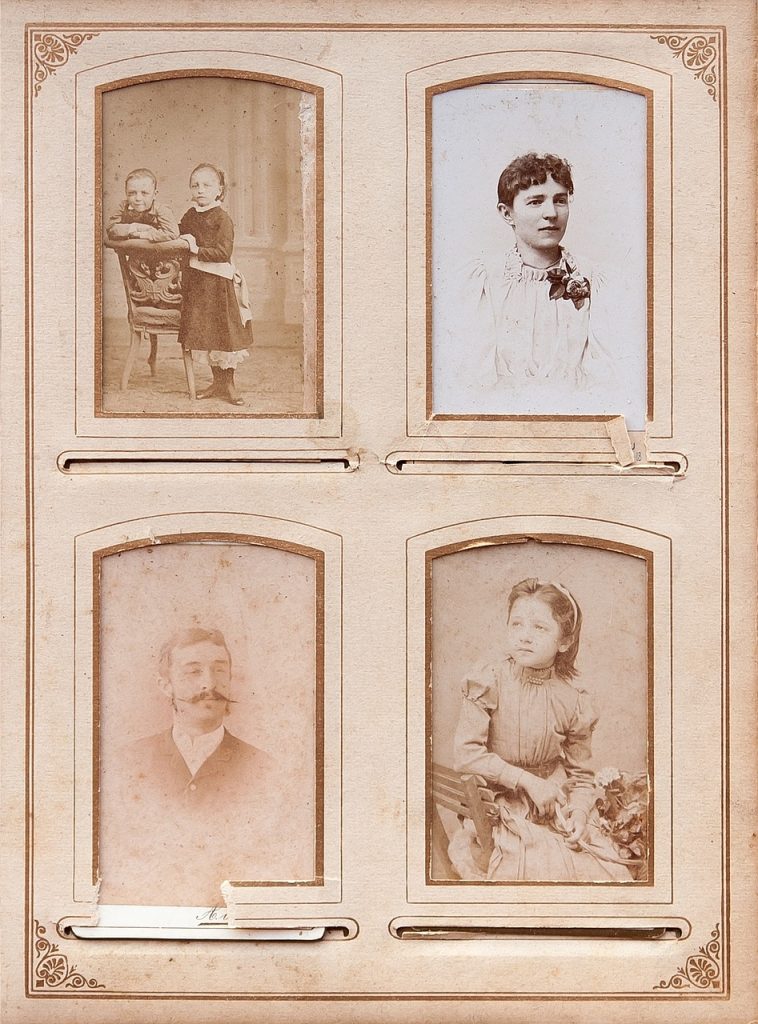
Genealogists use a variety of resources to research genealogy. Prior to the advent of written documents, people recorded information by telling stories. Interestingly, much of your family history may still be passed down orally from generation to generation. So, talking directly to family members may be one of the best sources of genealogy information.
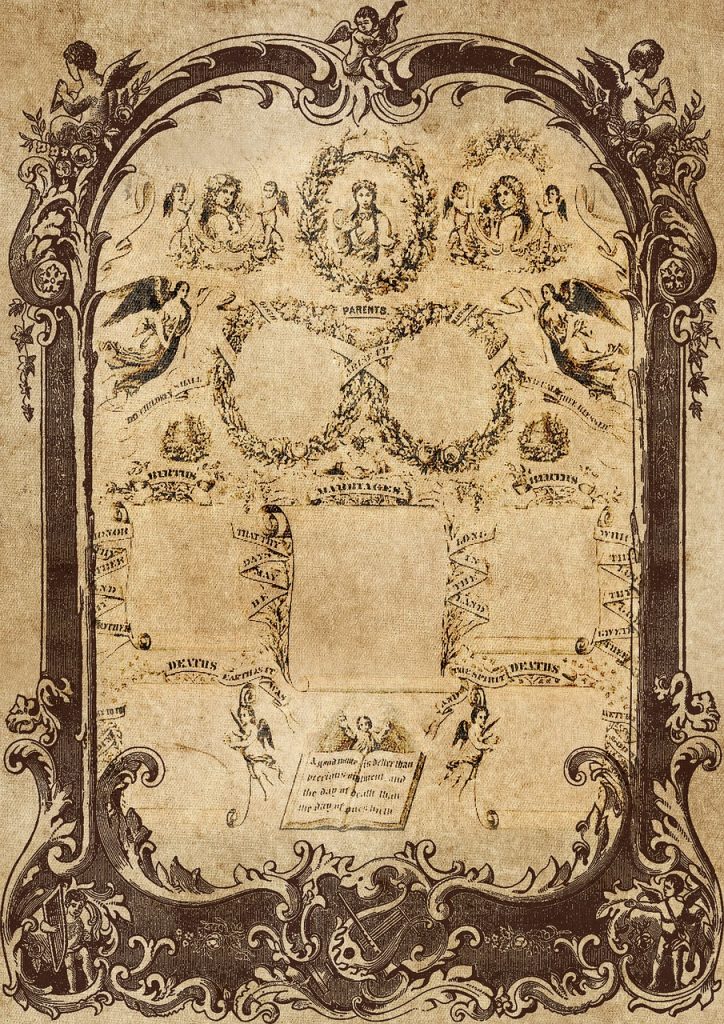
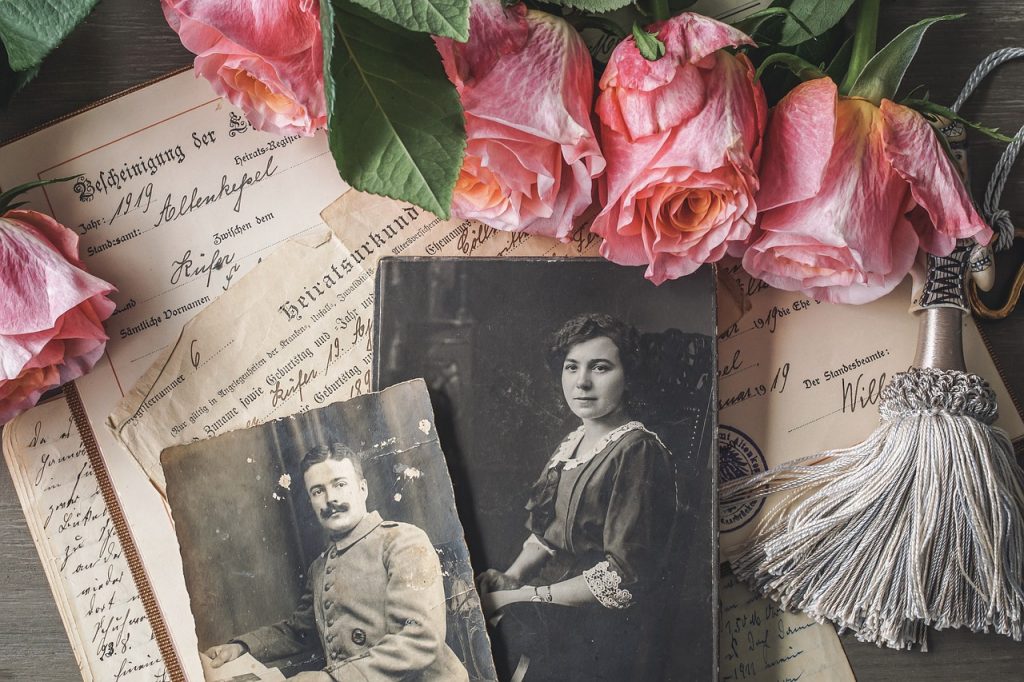
However, genealogy researchers consider record keeping essential for their research. Some families have a family bible, which is passed from one generation to the next. There is usually a record of who has owned the bible at the front, and this can be a valuable source of information. Additionally, birth certificates, obituaries, wedding announcements, and census information are all useful.
Genealogy Information: How is it presented?
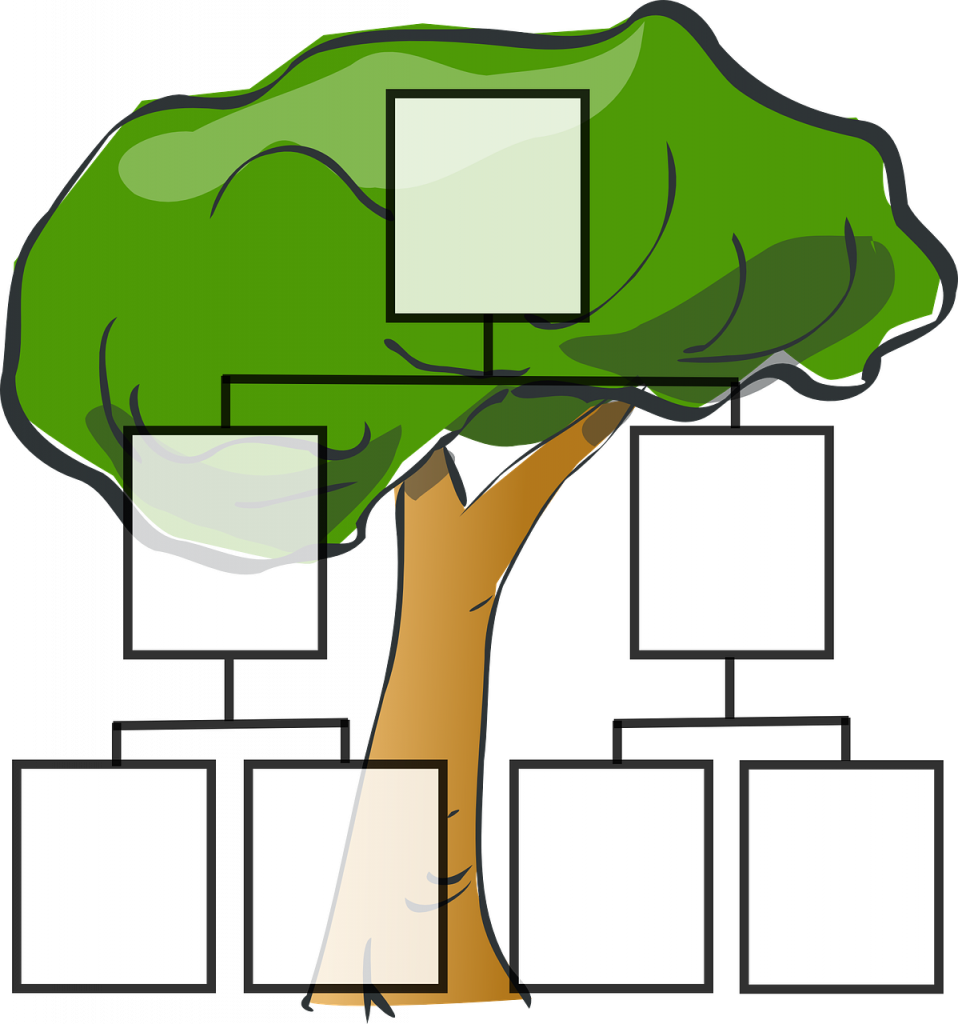
The family tree is the most common way to display a family’s lineage. It is a flowchart that starts with the ancestors who went the furthest back at the top. The branches of the family tree are then the children, marriages, and so on. Often, child-friendly family trees are presented as trees, with the trunk representing the family’s core and each branch and leaf representing an extension of that family.
A family’s lineage can also be documented in a book, through a software program, or by using a spreadsheet.
What Are the Benefits of Genealogy?
Most people use genealogy simply because they want to learn about their family history. Perhaps they heard about a famous relative and are curious about whether they are related. Genealogy can also be used to track genetics and health concerns. It is possible to discover if your family has a history of cancer, mental illness, birth defects, etc.
Finally, one of the greatest benefits of genealogy is that future generations will be able to trace their roots. This is an amazing way to connect to not only your family, but also to history. Getting to know your genealogy helps you figure out your place in the world.
Getting started.
The first step in genealogical research is talking with family members. It can be a great way to learn about your family history and point you in the right direction once the information stops. From there, you can search for a birth, death, or marriage certificate. You can also look up census data and property records. The practice of genealogy involves detective work as well as meticulous record keeping.
Using genealogy as a means of connecting with the world can be extremely rewarding. It conveys a sense of history and connection. Would you like to learn more about your family tree? Find out where you came from by contacting your living relatives.
My name is Annette Kerr and I am a genealogist and family historian, with over 16 years family history research experience. I specialise in Scottish records, but I have experience of researching a wide variety of records from across the UK, Ireland and North America.
Annette Kerr BA PgCert Genealogical, Palaeographic & Heraldic Studies (Strath)
I have a Postgraduate Certificate in Genealogical Palaeographic and Heraldic Studies from the University of Strathclyde and I am a Student Member of the Register of Qualified Genealogists (RQG), and several other genealogical organisations and family history societies.
I have studied Latin and Palaeography and can transcribe Medieval records and decipher old handwriting.
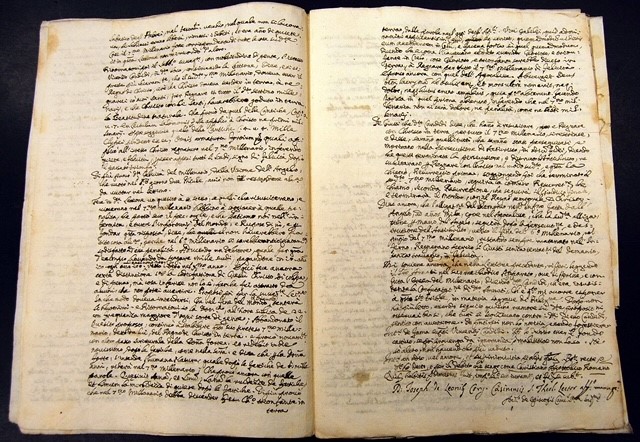
Manuscript
I live in Central Scotland, with easy access to archives at Glasgow and Edinburgh, as well as access to the fabulous castles, stately homes, lochs and historical landmarks that Scotland is famous for.
You can find out more about the services I offer here.
We use cookies on our website to give you the most relevant experience by remembering your preferences and repeat visits. By clicking “Accept All”, you consent to the use of ALL the cookies. However, you may visit "Cookie Settings" to provide a controlled consent.
This website uses cookies to improve your experience while you navigate through the website. Out of these, the cookies that are categorized as necessary are stored on your browser as they are essential for the working of basic functionalities of the website. We also use third-party cookies that help us analyze and understand how you use this website. These cookies will be stored in your browser only with your consent. You also have the option to opt-out of these cookies. But opting out of some of these cookies may affect your browsing experience.
Necessary cookies are absolutely essential for the website to function properly. These cookies ensure basic functionalities and security features of the website, anonymously.
Cookie
Duration
Description
cookielawinfo-checkbox-analytics
11 months
This cookie is set by GDPR Cookie Consent plugin. The cookie is used to store the user consent for the cookies in the category "Analytics".
cookielawinfo-checkbox-functional
11 months
The cookie is set by GDPR cookie consent to record the user consent for the cookies in the category "Functional".
cookielawinfo-checkbox-necessary
11 months
This cookie is set by GDPR Cookie Consent plugin. The cookies is used to store the user consent for the cookies in the category "Necessary".
cookielawinfo-checkbox-others
11 months
This cookie is set by GDPR Cookie Consent plugin. The cookie is used to store the user consent for the cookies in the category "Other.
cookielawinfo-checkbox-performance
11 months
This cookie is set by GDPR Cookie Consent plugin. The cookie is used to store the user consent for the cookies in the category "Performance".
viewed_cookie_policy
11 months
The cookie is set by the GDPR Cookie Consent plugin and is used to store whether or not user has consented to the use of cookies. It does not store any personal data.
Functional cookies help to perform certain functionalities like sharing the content of the website on social media platforms, collect feedbacks, and other third-party features.
Performance cookies are used to understand and analyze the key performance indexes of the website which helps in delivering a better user experience for the visitors.
Analytical cookies are used to understand how visitors interact with the website. These cookies help provide information on metrics the number of visitors, bounce rate, traffic source, etc.
Advertisement cookies are used to provide visitors with relevant ads and marketing campaigns. These cookies track visitors across websites and collect information to provide customized ads.